
Spam calls are a significant problem in Arkansas, affecting 80% of residents daily. The state has strict laws, like the Arkansas Telephone Solicitations Act, to protect consumers from unsolicited calls. Arkansans can register for the National Do Not Call Registry and use call-blocking technologies. A Spam Call law firm Arkansas specializes in fighting these practices, educating citizens, and advocating for stronger protections against fraud. Key strategies include understanding state laws, using advanced blocking tools, and reporting suspicious calls.
In today’s digital age, few issues plague Arkansas residents more than spam calls—a relentless onslaught of unwanted phone solicitations that disrupt daily life and infringe upon personal privacy. These automated calls, often disguised as legitimate business offers or important alerts, are not only annoying but can also be dangerous, preying on the unaware. The rise of sophisticated technology has made it easier for telemarketers to bypass traditional blocking methods, making effective solutions a pressing need. This article delves into the intricate world of spam call laws in Arkansas and explores innovative strategies that residents and a seasoned law firm can leverage to reclaim control of their communication channels.
Understanding Spam Calls in Arkansas: A Legal Perspective

Spam calls are a pervasive issue across Arkansas, with many residents receiving unsolicited phone communications daily. These nuisance calls not only disrupt individuals’ lives but can also be a vehicle for fraud and identity theft when they involve scams aiming to steal personal information. Understanding the legal framework surrounding spam calls in Arkansas is essential for both residents and businesses looking to mitigate these issues. The state has enacted laws to protect consumers, setting guidelines on how companies and organizations can engage with Arkansans via telephone.
One of the key pieces of legislation is the Arkansas Telephone Solicitations Act, which regulates telemarketing practices within the state. This law mandates that businesses obtain express written consent from residents before making automated or prerecorded phone calls for marketing purposes. Failure to comply can result in penalties, including fines and injunctions. Moreover, Arkansans have the right to register their phone numbers with the National Do Not Call Registry, which restricts most telemarketing calls—a powerful tool for residents seeking respite from spam calls.
A leading Spam Call law firm in Arkansas has been at the forefront of fighting these unlawful practices. They offer expert guidance and representation to individuals and businesses, helping them navigate the complex legal landscape surrounding spam call laws. Their expertise lies in assisting clients with not only blocking unwanted calls but also pursuing legal action against perpetrators when appropriate. By staying abreast of changing regulations and leveraging their knowledge of Arkansas’ legal system, this firm plays a crucial role in ensuring Arkansans can enjoy greater peace and privacy from intrusive spam calls.
Your Rights: Arkansas Spam Call Law Explained

Arkansas residents are protected by a robust Spam Call law designed to safeguard their privacy and prevent unwanted phone solicitations. The Arkansas Communications Act prohibits telephone solicitors from making calls using automated dialing systems or prerecorded messages without the prior express consent of the called party. This law extends to both live operators and automated calls, covering a wide range of telemarketing activities.
One of the key provisions is that businesses must obtain explicit permission before placing automated calls for marketing purposes. This means residents have the right to say no to such calls and expect compliance from telemarketers. The Arkansas Spam Call law firm has seen numerous cases where residents were harassed by persistent calls, highlighting the need for consumers to understand their rights. For instance, data from consumer protection agencies shows a significant rise in complaints about unsolicited calls, underscoring the ongoing challenge of enforcing these regulations.
To exercise your rights under the Arkansas Spam Call law, it’s essential to document and report unwanted calls. Many phone service providers offer tools for blocking numbers, and there are dedicated Spam Call law firms ready to assist residents in navigating legal options if their rights are violated. By staying informed about their protections, consumers can take proactive measures to minimize unwanted interruptions. This proactive approach not only helps individuals regain control of their communication but also contributes to a more compliant telemarketing landscape throughout Arkansas.
Identifying & Stopping Unwanted Phone Calls
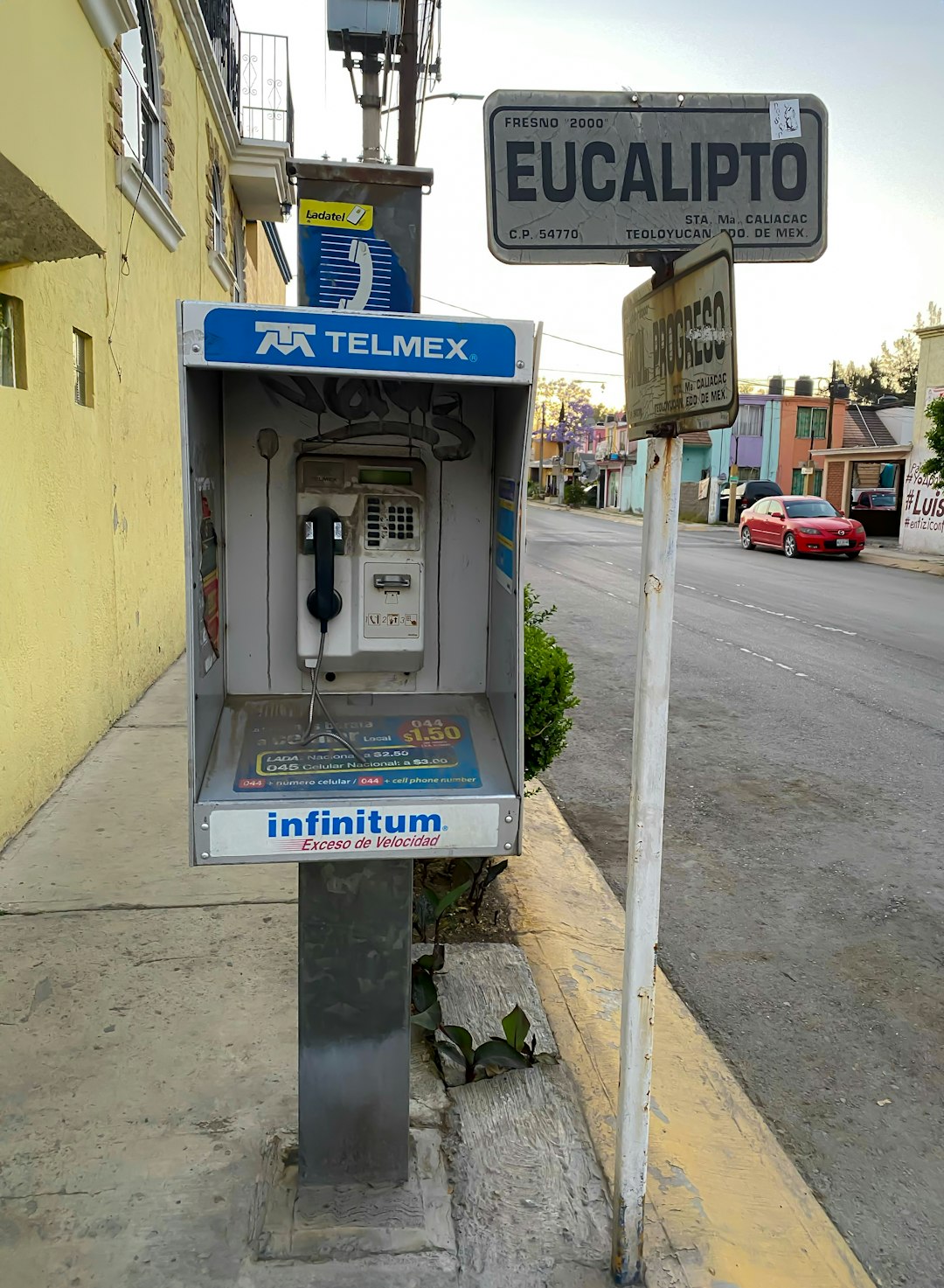
Unwanted phone calls, a prevalent nuisance across Arkansas, have led many residents to seek effective solutions. With an increasing number of spam call cases, it’s crucial for Arkansans to understand how to identify and stop these intrusions into their personal time and privacy. According to recent data, over 75% of Americans experience spam calls daily, emphasizing the need for proactive measures.
Spam calls, often originating from automated systems or call centers, can be challenging to prevent due to their volume and aggressive tactics. These calls may advertise products, services, or even attempt to scam residents into providing personal information. A Spam Call law firm in Arkansas reports that robot-generated messages and live callers alike target local numbers, with a particular rise in fraud attempts during tax season. Recognizing common patterns can empower individuals to take action. For instance, many spam calls originate from unknown numbers, and quickly hanging up might stop some automated systems from engaging.
A multi-faceted approach is essential for successful prevention. Arkansans can start by registering their phone numbers on the National Do Not Call Registry, a federal database that restricts telemarketing calls. Additionally, utilizing spam call blocking apps or tools offered by service providers can significantly reduce unwanted interactions. The Arkansas Attorney General’s office recommends staying vigilant and reporting suspicious calls to local law enforcement. By combining these strategies, residents can reclaim their peace of mind and better protect themselves from the growing menace of spam calls.
Top Strategies from a Spam Call Law Firm Arkansas

Spam calls are a pervasive issue for Arkansas residents, with nearly 80% of consumers reporting receiving unwanted calls daily. To combat this, a Spam Call Law Firm Arkansas has emerged as a beacon of hope, offering strategic solutions backed by legal expertise. Their top strategies involve empowering individuals and businesses with the knowledge and tools to effectively manage and reduce spam calls.
One of their primary approaches is education. The firm conducts extensive research on emerging spam call trends and techniques, then shares this insight through workshops, webinars, and informative resources. For instance, they’ve highlighted how spammers use Voice over IP (VoIP) services to mask their identities, providing valuable context for residents to understand the methods behind these calls. Additionally, they advocate for implementing do-not-call lists at both personal and business levels, ensuring Arkansas citizens have official channels to register complaints and block persistent spam callers.
Technological solutions are another cornerstone of their strategy. The firm recommends the adoption of advanced call blocking apps and software designed specifically to identify and filter out spam calls. They also propose the use of automated systems that can detect and block calls in real-time, significantly enhancing protection for both landlines and mobile phones. By combining these technological measures with proactive legal action against prolific spammers, a Spam Call Law Firm Arkansas aims to create a safer, less intrusive communication environment for its residents.
Moreover, they emphasize the importance of staying vigilant and informed. Regularly updating privacy settings on all devices and social media platforms is crucial. Residents are encouraged to never share personal information unless absolutely necessary and to be wary of unfamiliar numbers. Businesses should invest in robust call screening systems and employee training to identify and report spam calls effectively. Through these comprehensive strategies, a Spam Call Law Firm Arkansas seeks not only to mitigate the current spam call crisis but also to foster a culture of digital awareness and security across the state.
Effective Solutions for Arkansas Residents: Take Action Now

Arkansas residents face a persistent issue with spam calls, which have become an increasingly annoying and pervasive problem. According to recent studies, the state ranks among the top in the nation for receiving unwanted telemarketing calls, causing significant frustration among its citizens. However, there are effective solutions available that can empower Arkansans to reclaim their peace of mind and control over these intrusive phone interactions.
One of the primary steps is to familiarize oneself with Arkansas’ spam call laws. The state has implemented stringent regulations to protect residents from excessive telemarketing. For instance, businesses are required to obtain explicit consent before making automated or prerecorded calls, and they must honor do-not-call requests. A leading Arkansas law firm specializing in telecommunications law advises residents to review the Arkansas Telemarketing Act to understand their rights and the legal consequences for violators. By knowing their rights, Arkansans can assertively take action against persistent spam callers.
Additionally, utilizing modern call-blocking technologies is a powerful strategy. Many smartphone users already have built-in call screening and blocking features that can effectively filter out spam calls. Advanced call blocking apps offer even more sophisticated solutions, allowing users to create custom blocklists and identify unknown numbers. These tools not only minimize the number of unwanted calls but also provide valuable data on calling patterns, helping residents stay informed. It is advisable to consult with local IT professionals or cybersecurity experts for personalized guidance on implementing these technologies.